🏎️ The Complete History of Formula 1 Cars
🏎️ The Complete History of Formula 1 Cars: Evolution of Speed, Engineering & Innovation
Formula 1 is the pinnacle of motorsport engineering. Every decade introduced radical innovations — sometimes intentional, sometimes accidental — that pushed the boundaries of what a car could do.
Below is a fully detailed, era-by-era deep dive into the evolution of F1 cars, with rich visuals and technical insights to make your blog feel premium and authoritative.
📜 1950s – The Birth of Formula 1 (Pure, Mechanical, Dangerous)
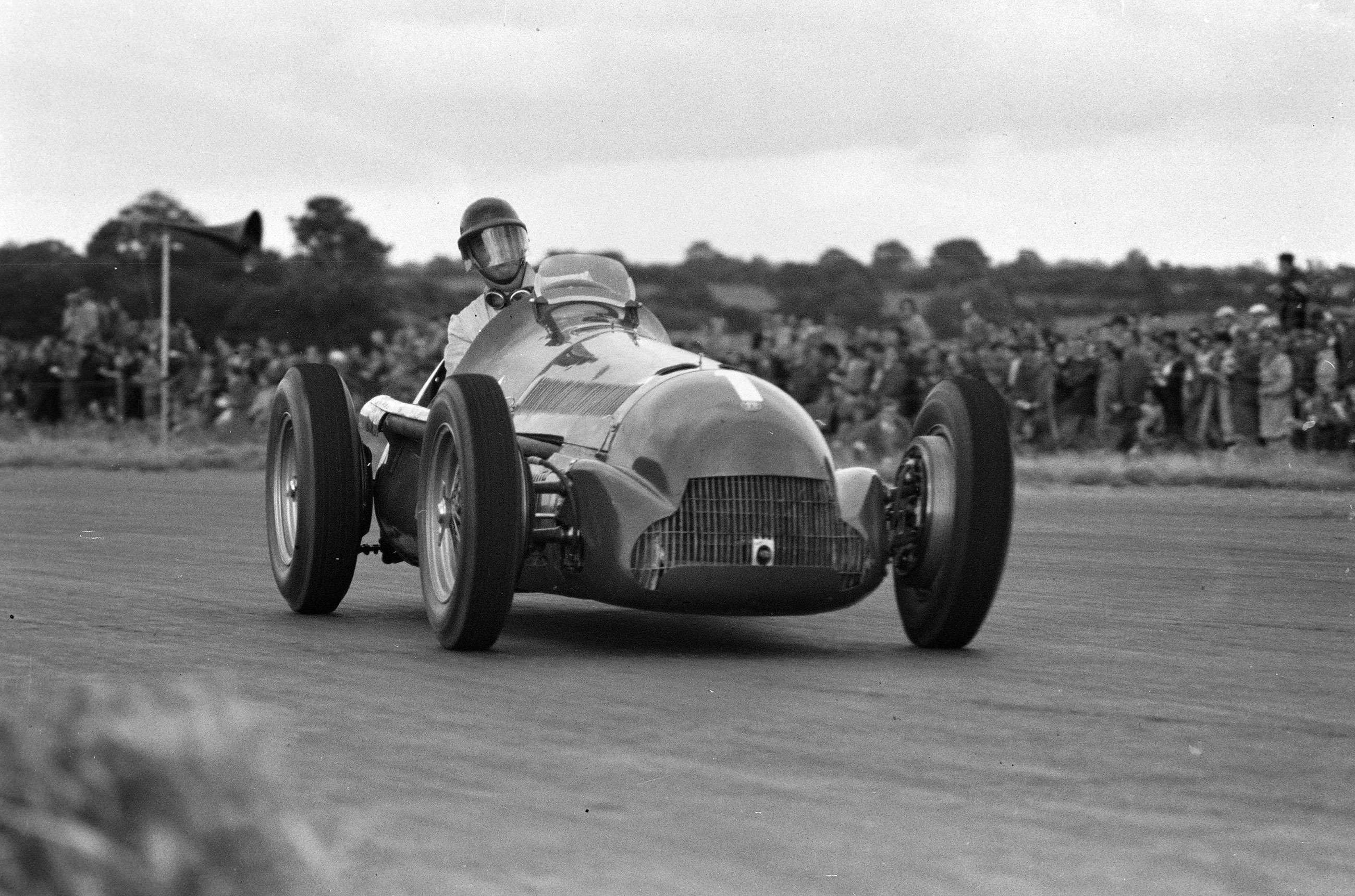
The 1950s were raw, mechanical, and brutally dangerous. Formula 1 began officially in 1950, where cars resembled elongated cigars with wheels sticking out. Drivers sat exposed, wearing leather helmets and goggles.
💡 Key Technical Traits
-
Front-engined cars: Heavy, long, and difficult to rotate through corners.
-
Naturally aspirated engines producing 150–300 HP.
-
Steel tube frame chassis — zero crash protection.
-
Drum brakes → overheating was constant.
-
Tyres were thin, bias-ply, offering almost no grip.
🏁 Iconic Cars
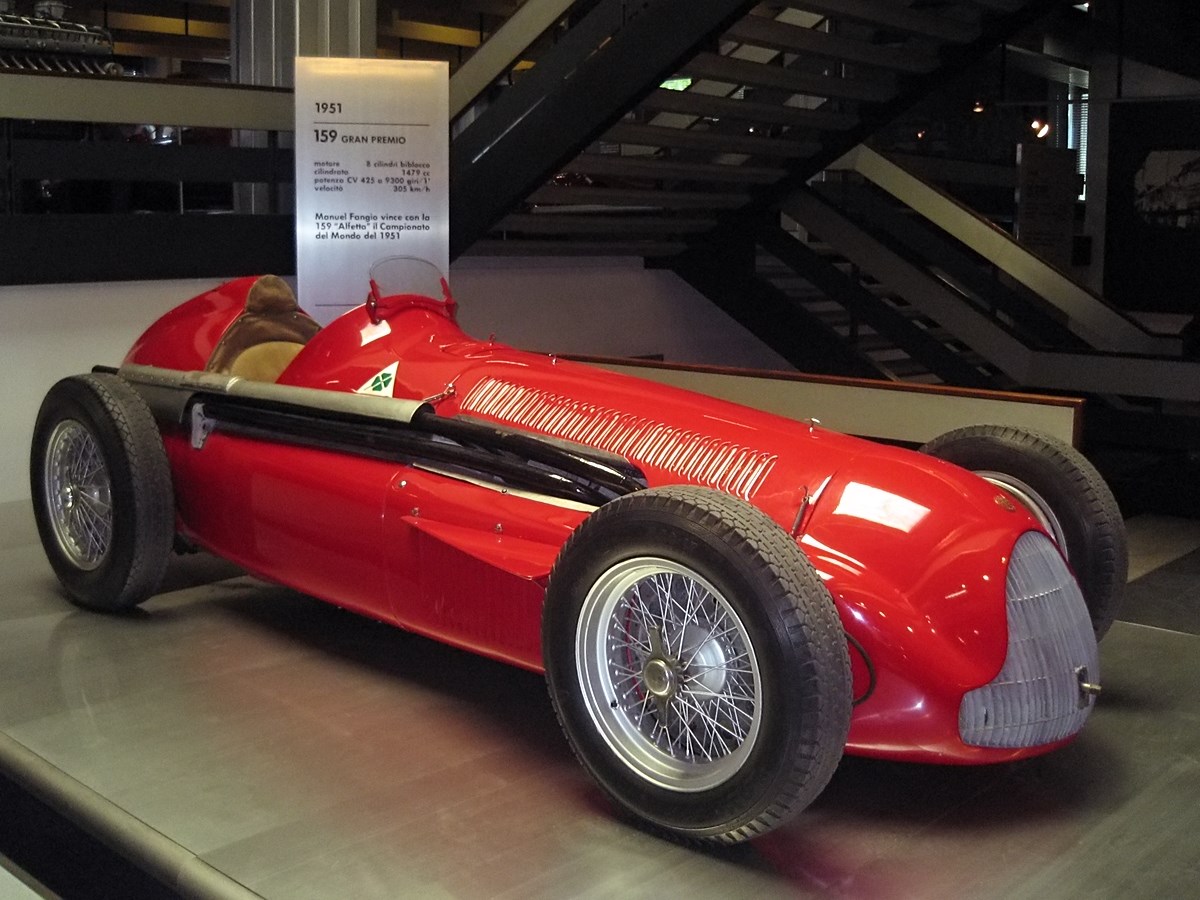
-
Alfa Romeo 158/159 – Dominated early seasons.
-
Maserati 250F – Driven by Fangio; one of the greatest 50s cars.
⚠️ Danger at Every Turn
Drivers often raced with one hand on the wheel and one waving away oil smoke. Fatalities were tragically frequent.
🔥 1960s – The Mid-Engine Revolution & Birth of Aerodynamics

The biggest revolution in car design happened here:
➡️ Engines moved to the rear.
This changed balance, weight distribution, and cornering performance forever.
💡 Major Innovations
-
Mid-engine layout (pioneered by Cooper, perfected by Lotus).
-
Monocoque chassis (Lotus 25) — lighter, stiffer.
-
First aerodynamic wings (1968) — small, experimental, and often unstable.
🏁 Legendary Cars
-
Lotus 25 – First monocoque in F1 history.
-
Lotus 49 – Introduced the powerful Ford Cosworth DFV.
-
Brabham BT20 / BT24 – Lightweight and championship-winning.

⚠️ High Wings Disaster
Teams mounted tall wings directly onto fragile suspension arms.
In 1969, several wings failed mid-race → FIA banned high wings.
💨 1970s – The Ground Effect Era (Aerodynamic Breakthrough)
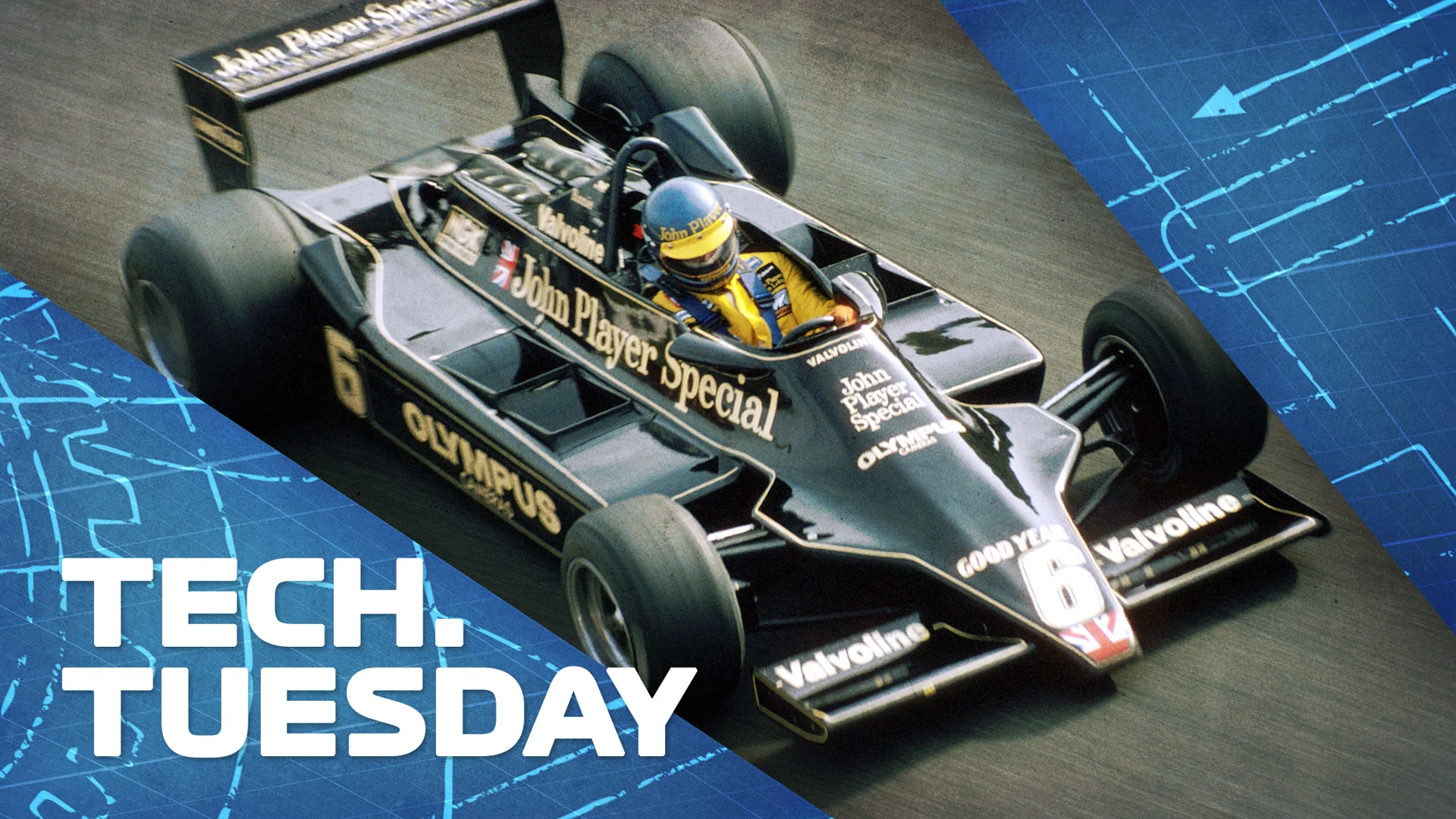
The 70s saw aerodynamics become a science. Engineers discovered that shaping the floor could create enormous suction — “ground effect”.
💡 Innovations
-
Ground effect tunnels (Lotus 78/79) — transformed grip.
-
Skirts that sealed airflow under the car.
-
Slick tyres introduced (1971) → more mechanical grip.
-
Carbon brakes began appearing late in the decade.
🏁 Revolutionary Cars
-
Lotus 79 – First perfect ground effect car; dominated 1978.
-
Ferrari 312T – Niki Lauda’s championship machine.

⚠️ Ground Effect Danger
Cornering speeds became extreme. Cars bottomed out violently, and drivers complained of blurred vision due to G-forces.
🚀 1980s – The Brutal Turbo Era (1000+ Horsepower Madness)
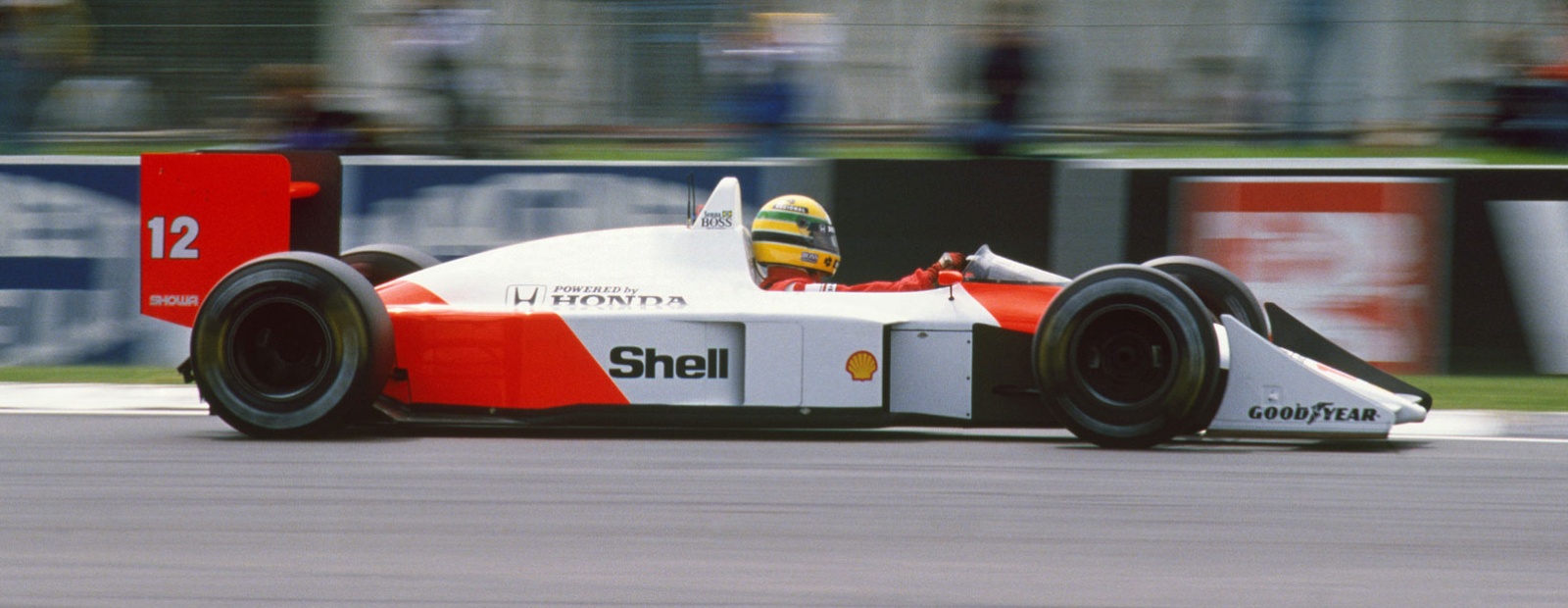
The 1980s were insane — raw speed, big turbos, minimal driving aids.
💡 Turbocharged Monsters
-
Qualifying engines reached 1,100–1,400 HP.
-
Racers often blew engines mid-lap due to insane boost pressures.
-
Fuel limits forced teams into advanced engine management techniques.
📌 Game-Changing Innovations
-
Carbon fibre chassis (McLaren MP4/1) — changed F1 forever.
-
Active suspension experiments.
-
Semi-automatic gearboxes emerging near decade end.
🏁 Iconic Cars
-
McLaren MP4/4 – 15 wins in 16 races (Senna + Prost).
-
Williams FW11 – Powerful Honda engines.
⚠️ The Danger Peak
Turbo lag was enormous. Cars often snapped sideways with no warning.
Several fatal accidents led FIA to eventually ban turbos in 1989.
👨💻 1990s – Electronics & Safety Take Over
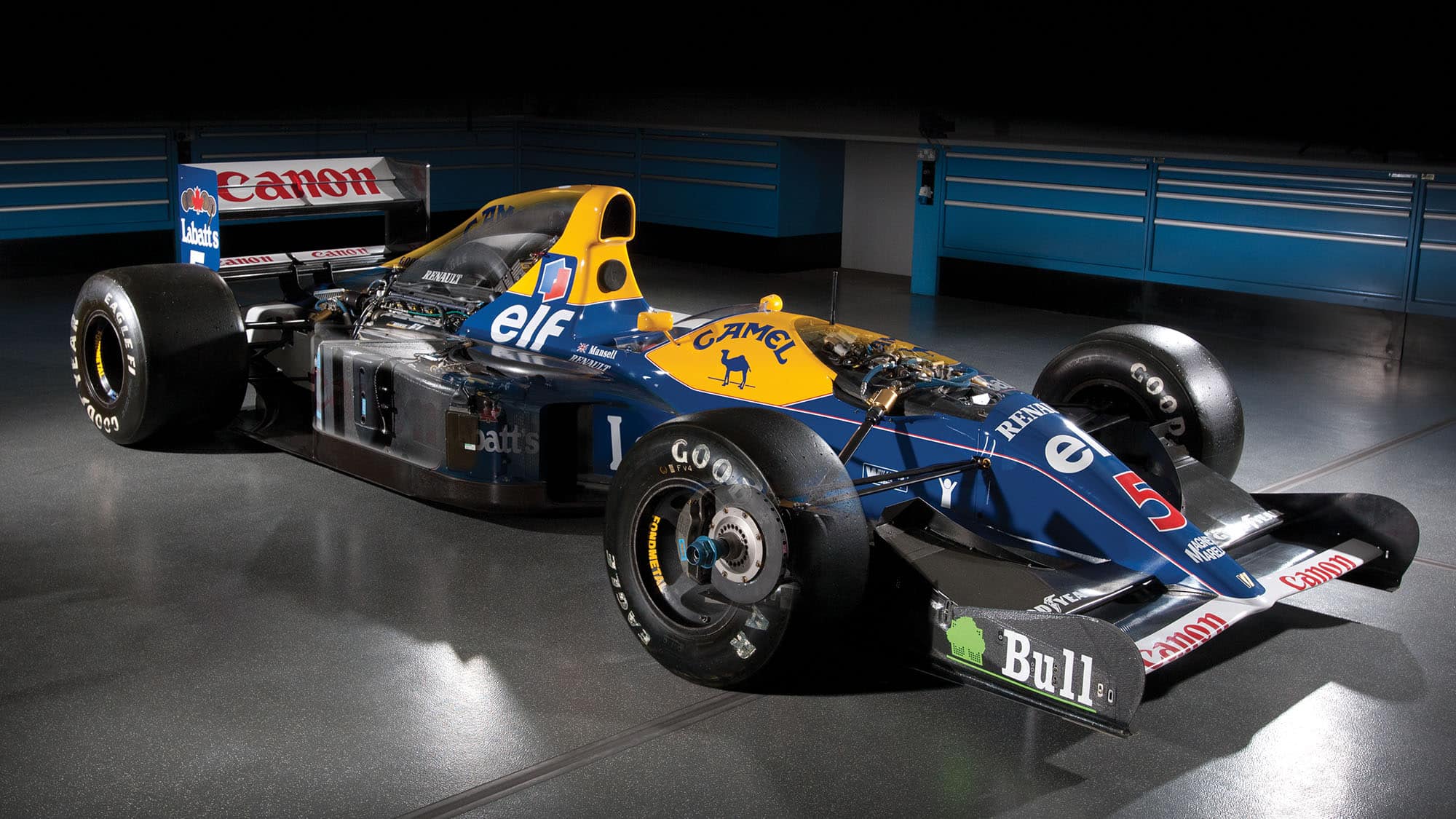
The 90s were the intelligent era.
💡 New Landmark Technologies
-
Traction control
-
Launch control
-
Automatic gear shifts
-
Active suspension (Williams FW14B)
-
Refined aerodynamics
🏁 Cars That Changed the Game
-
Williams FW14B (1992) – the most advanced F1 car ever made at the time.
-
Ferrari 640 – First paddle-shift gearbox.
-
McLaren MP4/13 – Hakkinen’s championship-winning weapon.

⚠️ After Imola 1994
Senna and Ratzenberger's deaths forced the biggest safety overhaul:
-
Redesigned crash structures
-
HANS device
-
Improved cockpit walls
🔋 2000s – V10 Screams, Tyre Wars & Aerodynamic Complexity
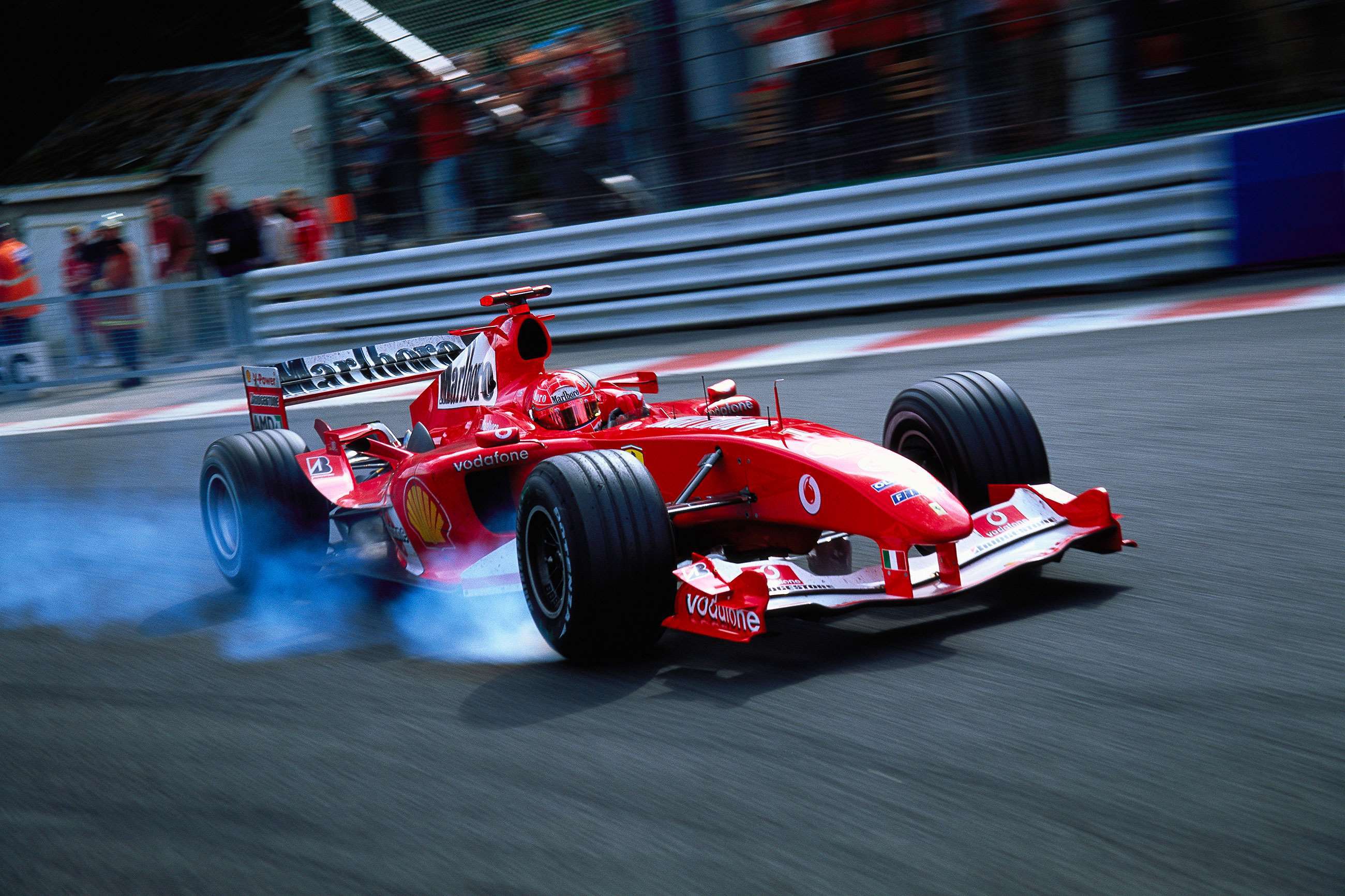
The early 2000s are loved by fans for V10 engines — loud, powerful, iconic.
💡 Technical Era Highlights
-
900+ HP V10 engines.
-
Heavy focus on aero efficiency: diffusers, winglets, bargeboards.
-
Michelin vs Bridgestone tyre war → extreme tyre performance.
-
Refuelling allowed aggressive race strategies.
🏁 Greatest Cars
-
Ferrari F2004 – Widely considered the fastest F1 car ever (pre-hybrid).
-
Renault R25 – Alonso’s championship car with excellent handling.
⚠️ Aero Got Out of Control
Cars became too reliant on turbulent “dirty air,” making overtaking difficult.
⚡ 2010s – Hybrid Era: V6 Turbos + Energy Recovery Systems
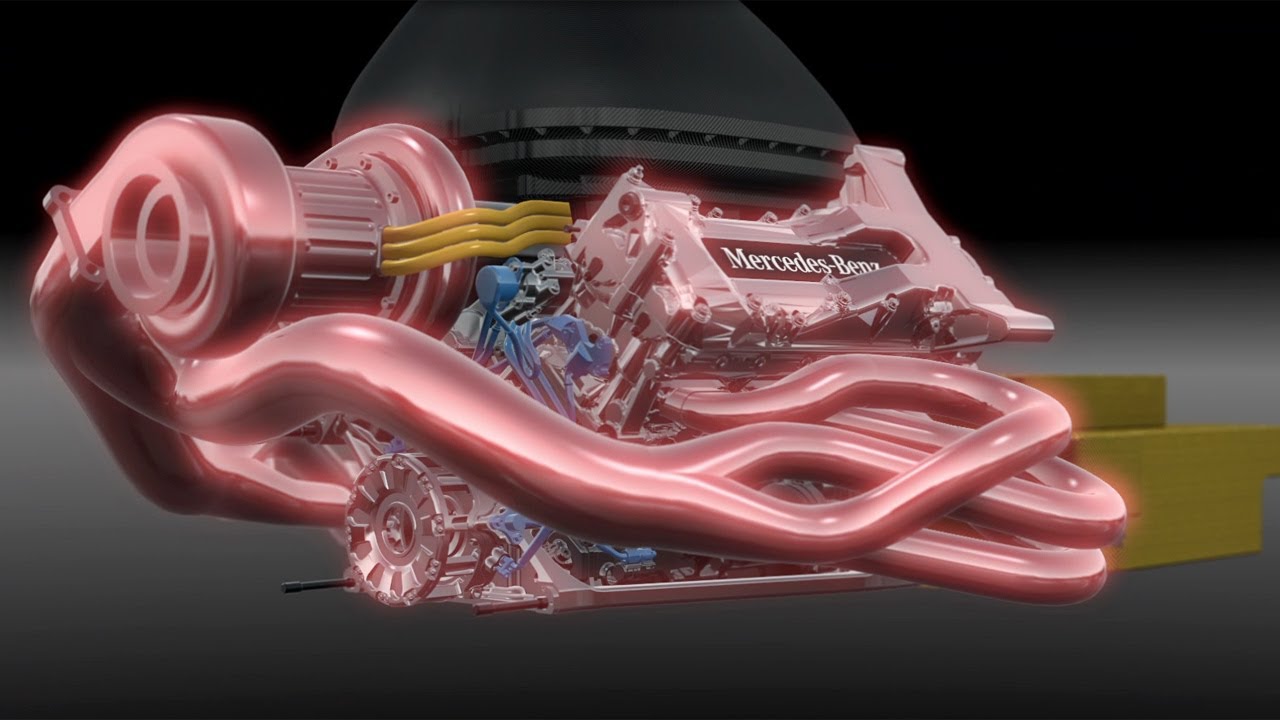
In 2014, F1 entered the most technologically advanced era ever:
-
1.6L V6 Turbo-Hybrid engines
-
Electric motors recovering braking + exhaust energy
-
Batteries storing up to 160 HP of extra boost
💡 Technologies Introduced
-
MGU-K → recovers braking energy
-
MGU-H → recovers turbo heat energy
-
Ultra-efficient engines: 50% thermal efficiency
🏁 Leaders of the Era
-
Mercedes W05–W11 — dominating due to superior hybrid engineering.
-
Red Bull RB16B – Beginning of the Verstappen dominance.
⚠️ Aero Complexity
Cars became too heavy and too dependent on tiny aero devices, making racing worse.
🌍 2020s – Return of Ground Effect & Modern F1 Cars

2022 regulations completely reshaped car philosophy.
💡 Modern Features
-
Ground effect tunnels
-
Reduced dirty air → better overtaking
-
18-inch tyres (low profile)
-
Cleaner, simpler aero
🏁 Cars of the New Era
-
Red Bull RB18 & RB19 – Dominant aerodynamically.
-
Ferrari F1-75 – aggressive sidepod concept.
-
Mercedes W13 – radical “zeropod” design.
🏁 Final Thoughts – F1 Cars Are Rolling Laboratories
From the fragile, front-engined machines of the 1950s to today’s hybrid ground-effect wonders, F1 cars have pushed:
-
🏎️ Speed limits
-
🧪 Engineering innovation
-
🔧 Material science
-
🔋 Energy tech
-
🛡️ Safety standards
F1 isn’t just racing — it’s decades of human curiosity, danger, brilliance, and evolution, condensed into some of the fastest machines ever built.
Comments
Post a Comment