🏁 Drag Racing Basics for Beginners: A Complete Guide for New Enthusiasts 🚗💨
🏁 Drag Racing Basics for Beginners: A Complete Guide for New Enthusiasts 🚗💨
Drag racing is one of the purest and most exciting forms of motorsport. Two cars, a straight strip of asphalt, a flashing tree, and raw acceleration decide the winner. If you’re a car enthusiast curious about drag racing but don’t know where to start, this beginner-friendly guide will get you up to speed—literally.
🔥 What Is Drag Racing?


Drag racing is a straight-line acceleration race between two vehicles over a fixed distance:
-
¼ mile (402 meters) – traditional and most common
-
⅛ mile (201 meters) – popular for beginners and smaller tracks
The goal is simple: reach the finish line first in the shortest time.
🚦 Understanding the Drag Strip Layout


Before racing, you must understand the key parts of a drag strip:
🛣️ Staging Lanes
Where cars line up and prepare before a run.
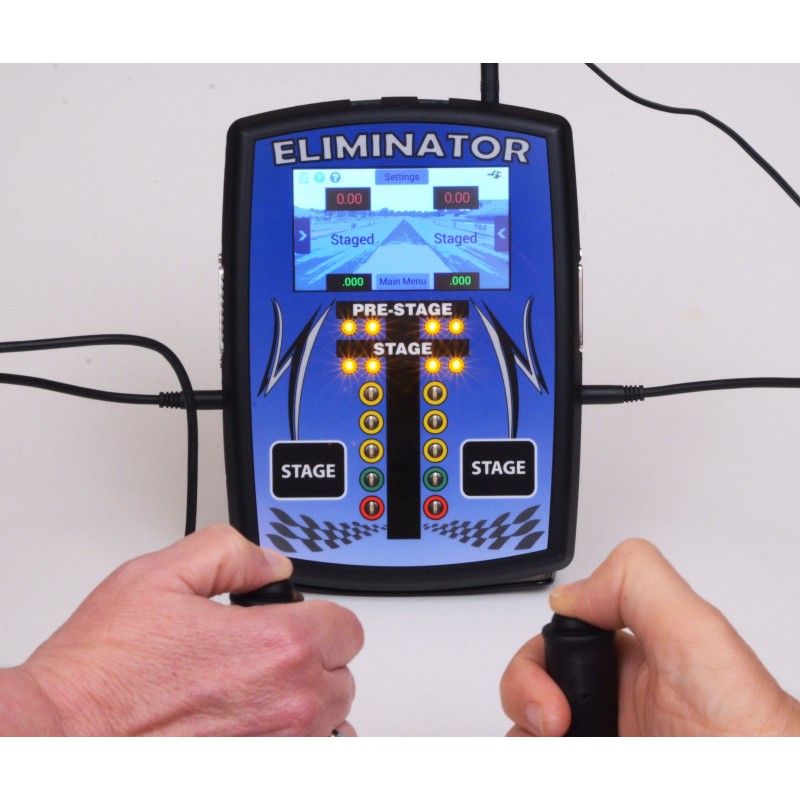
🌲 Christmas Tree
The vertical light system that signals the start:
-
Pre-stage lights
-
Stage lights
-
Amber countdown
-
Green = GO!
🏁 Finish Line
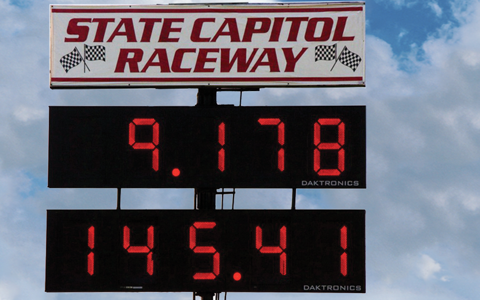
Timing sensors record speed and elapsed time (ET).
⏱️ Key Drag Racing Terms You Must Know
-
Reaction Time (RT): Time taken to react after green light
-
Elapsed Time (ET): Total time to complete the run
-
Trap Speed: Speed at the finish line
-
Red Light: Jumping the start (automatic loss)
-
Breakout: Running faster than your class limit
👉 Pro tip: You can lose even with a faster car if your reaction time is poor!
🚗 Types of Cars Used in Drag Racing
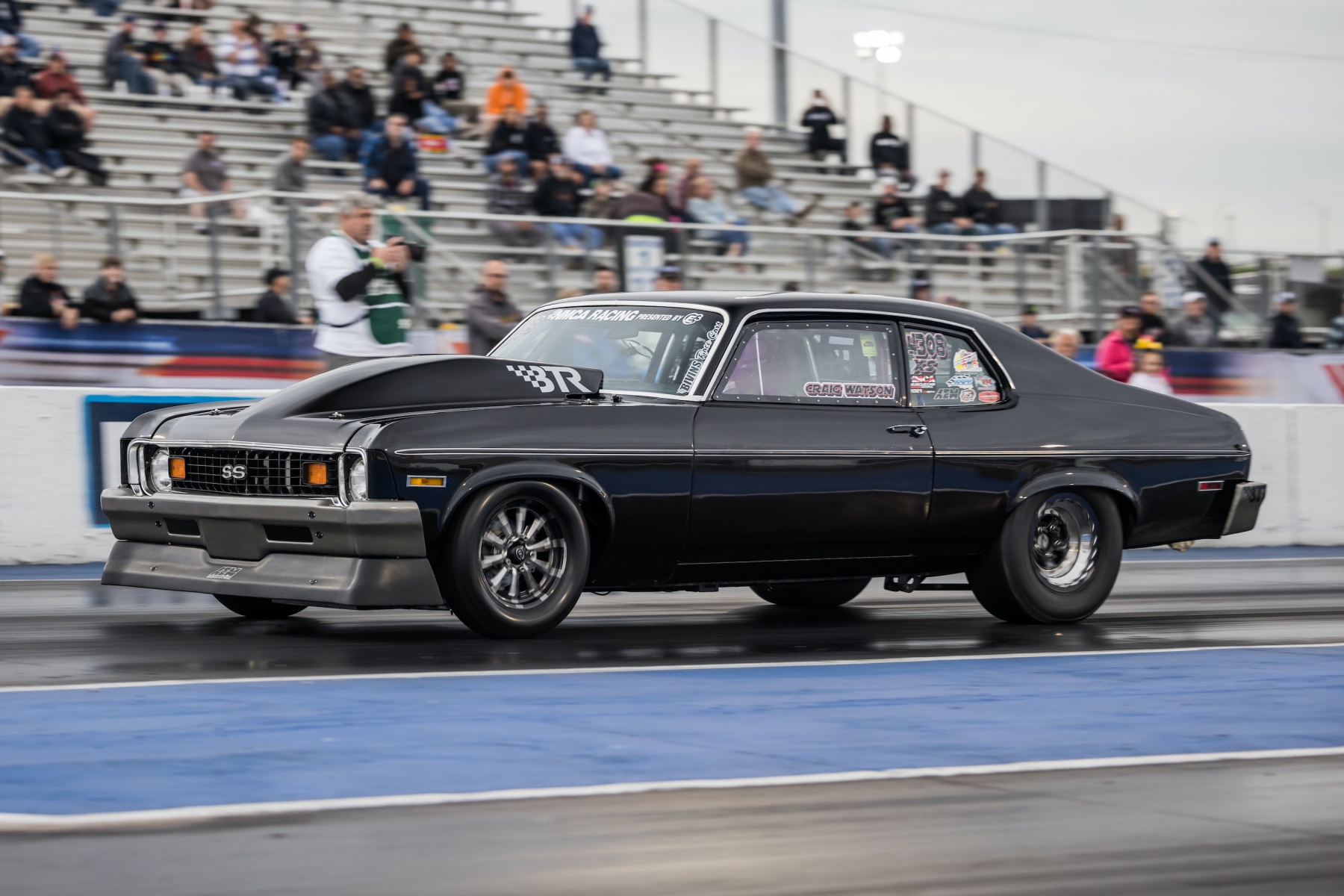

Drag racing isn’t just about supercars:
-
Stock street cars (perfect for beginners)
-
Muscle cars (Mustang, Camaro, Challenger)
-
Modified hatchbacks & sedans
-
Dedicated drag cars (advanced level)
If your car is mechanically sound, you can likely participate in amateur drag events.
⚙️ Basic Modifications for Beginner Drag Racers


You don’t need extreme mods to start:
Beginner-Friendly Upgrades
-
✅ Performance tires or drag radials
-
✅ Cold air intake
-
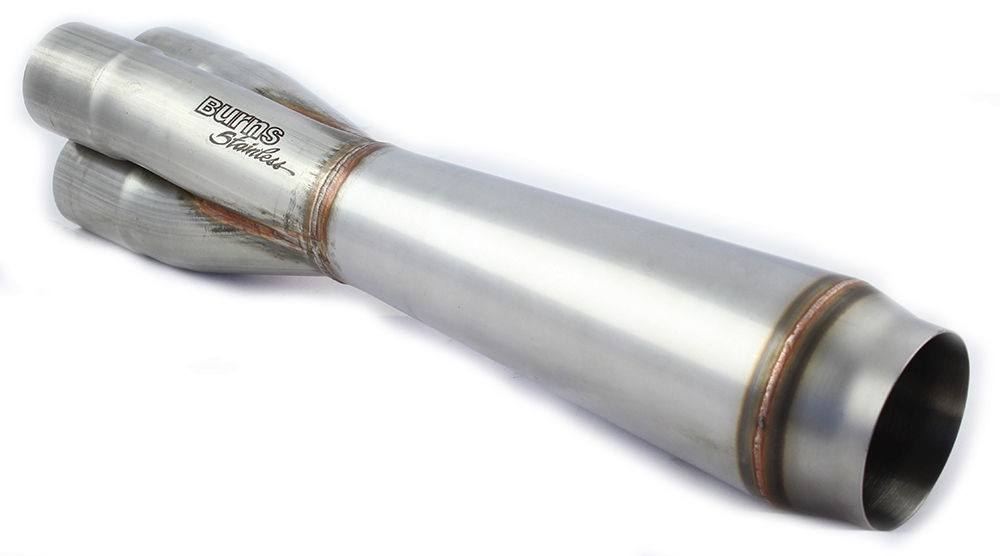
✅ Free-flow exhaust
-
✅ Better brakes (safety first!)
❌ Avoid chasing power early—consistency matters more.
🧠 Launch Techniques: The Heart of Drag Racing

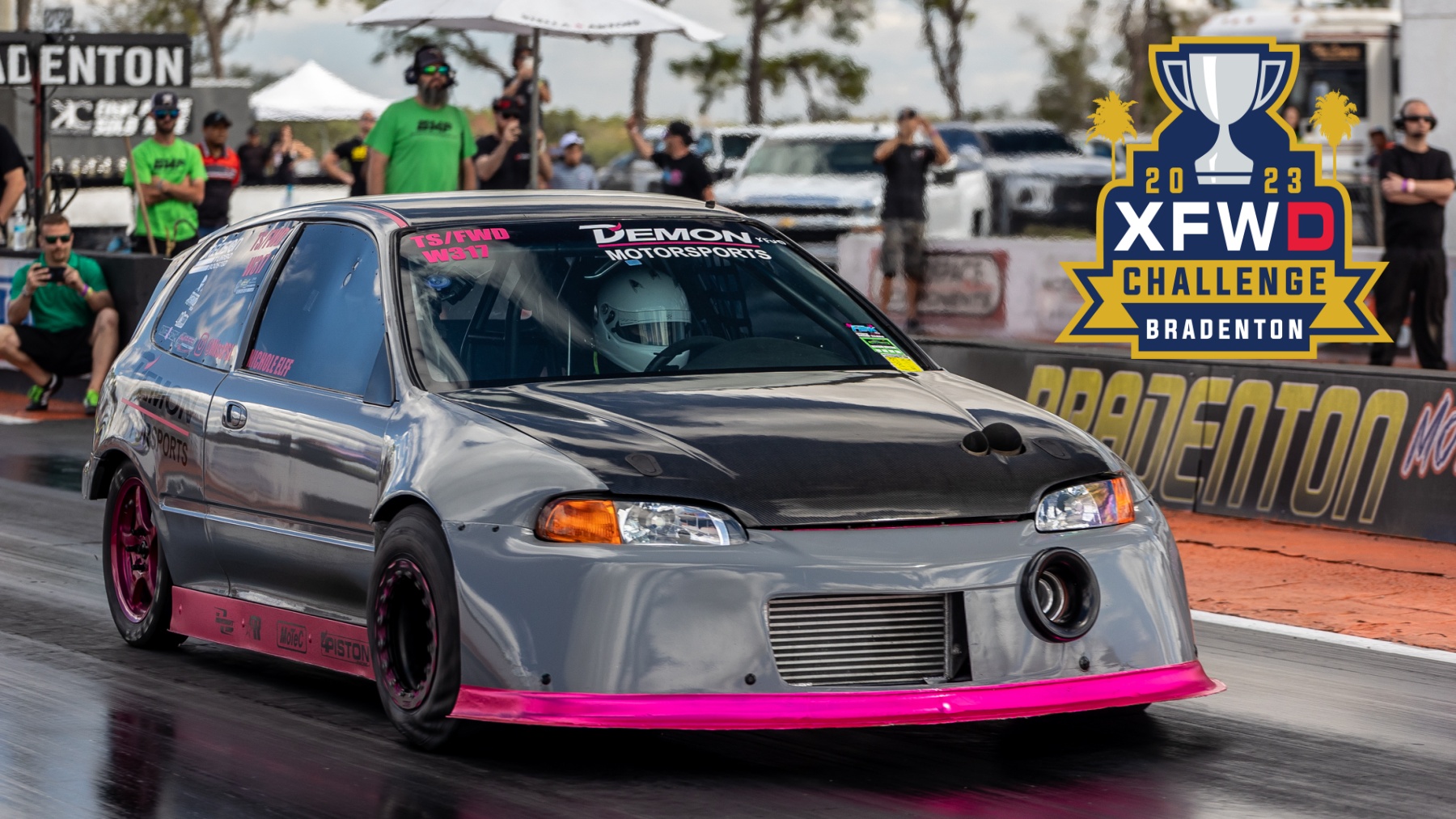
Launching correctly is the biggest challenge for beginners:
RWD Cars
-
Controlled burnout
-
Gradual throttle application
FWD Cars
-
Minimal burnout
-
Avoid wheelspin
AWD Cars
-
Best traction
-
Harder launch but more stress on drivetrain
💡 Practice makes perfect—launching is a skill, not luck.
🧑🚀 Safety Rules You Should Never Ignore

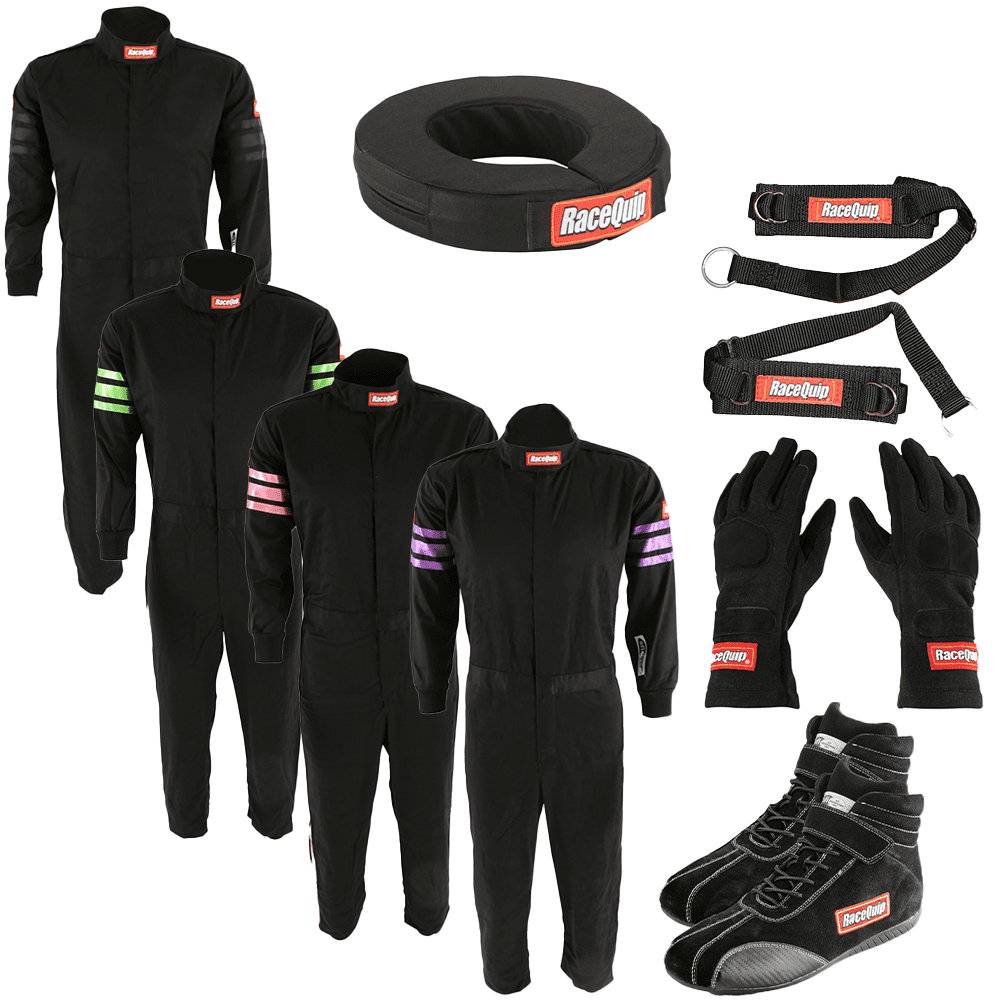

Drag racing prioritizes safety:
-
🪖 Certified helmet
-
👕 Long sleeves & pants
-
🔧 Car inspection before runs
-
🚫 No loose objects inside the car
As speed increases, roll cages and fire suits may be required.
🏆 Bracket Racing: Perfect for Beginners

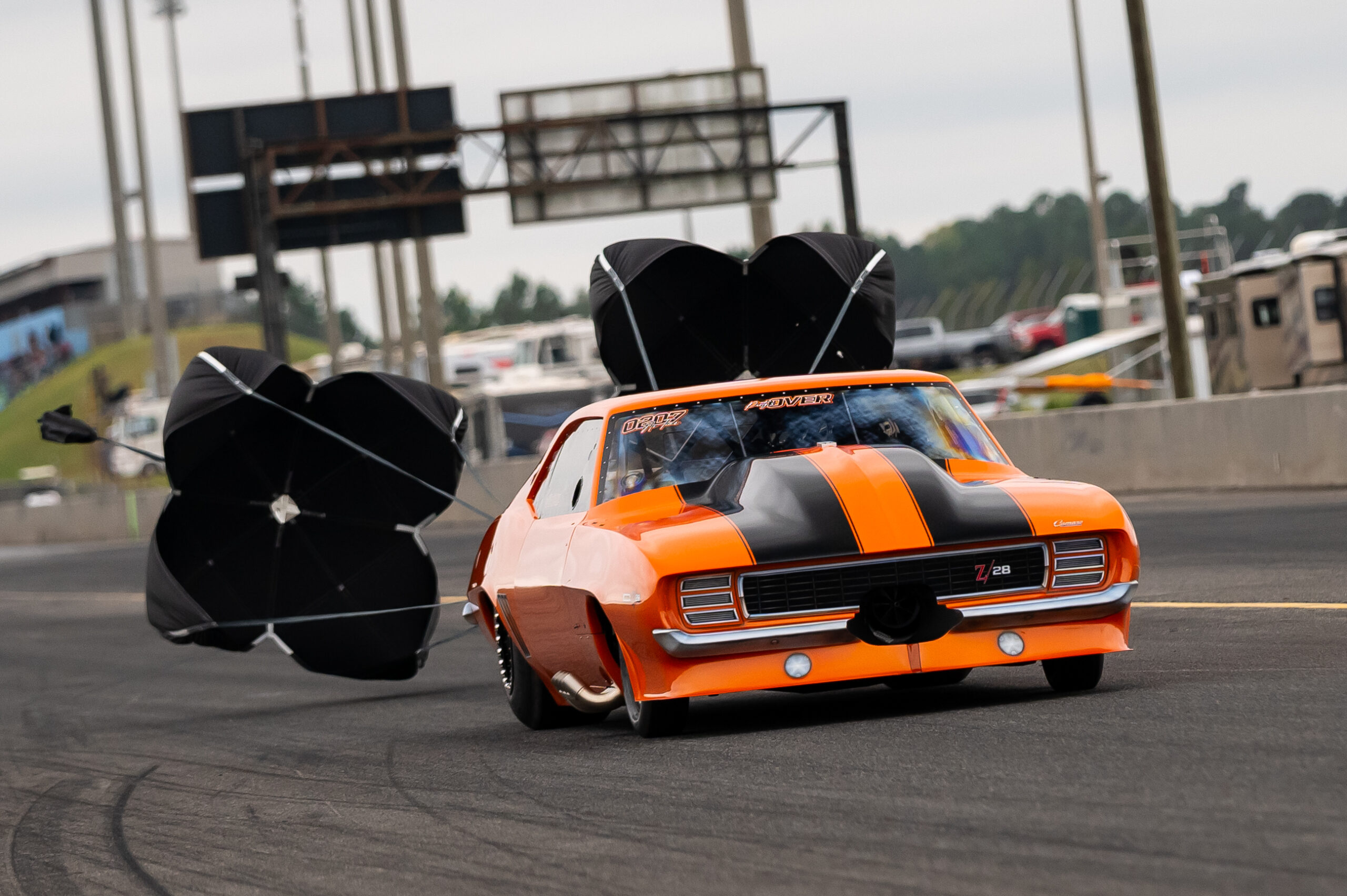
Bracket racing focuses on driver skill, not horsepower:
-
You choose a dial-in time
-
Closest to your time without beating it wins
-
Slower cars can beat faster ones
This format is ideal for learning consistency and control.
🚀 Tips to Improve as a Beginner
-
📊 Study your time slips after every run
-
🔁 Be consistent, not aggressive
-
🎯 Focus on reaction time
-
🛞 Tire pressure tuning makes a big difference
-
😌 Stay calm at the start line
Remember: Every drag racer starts as a beginner.
🏁 Final Thoughts
Drag racing is one of the most accessible motorsports in the world. You don’t need a supercar or huge budget—just passion, practice, and patience. Whether you’re racing a stock hatchback or a tuned muscle car, drag racing teaches control, precision, and respect for speed.
🔥 Once you feel your first clean launch, you’ll be hooked for life.
Comments
Post a Comment