How F1 Technology Trickles Down to Street Cars πŸš—⚡

How F1 Technology Trickles Down to Street Cars πŸš—⚡

The Secret Path From the Track to Your Driveway


1. Hybrid Powertrains: From F1 Labs to Your Garage ⚡πŸ”‹

https://car-images.bauersecure.com/wp-images/3926/hybridf1_04.jpg?utm_source=chatgpt.comhttps://www.automotivepowertraintechnologyinternational.com/wp-content/uploads/2022/07/M20513.jpg?utm_source=chatgpt.comhttps://images.squarespace-cdn.com/content/v1/5ea705b50670db414f3753e5/1624554138114-ICIJNSMPQV0M62FPEUTM/Ferrari-sf90.jpg?utm_source=chatgpt.com

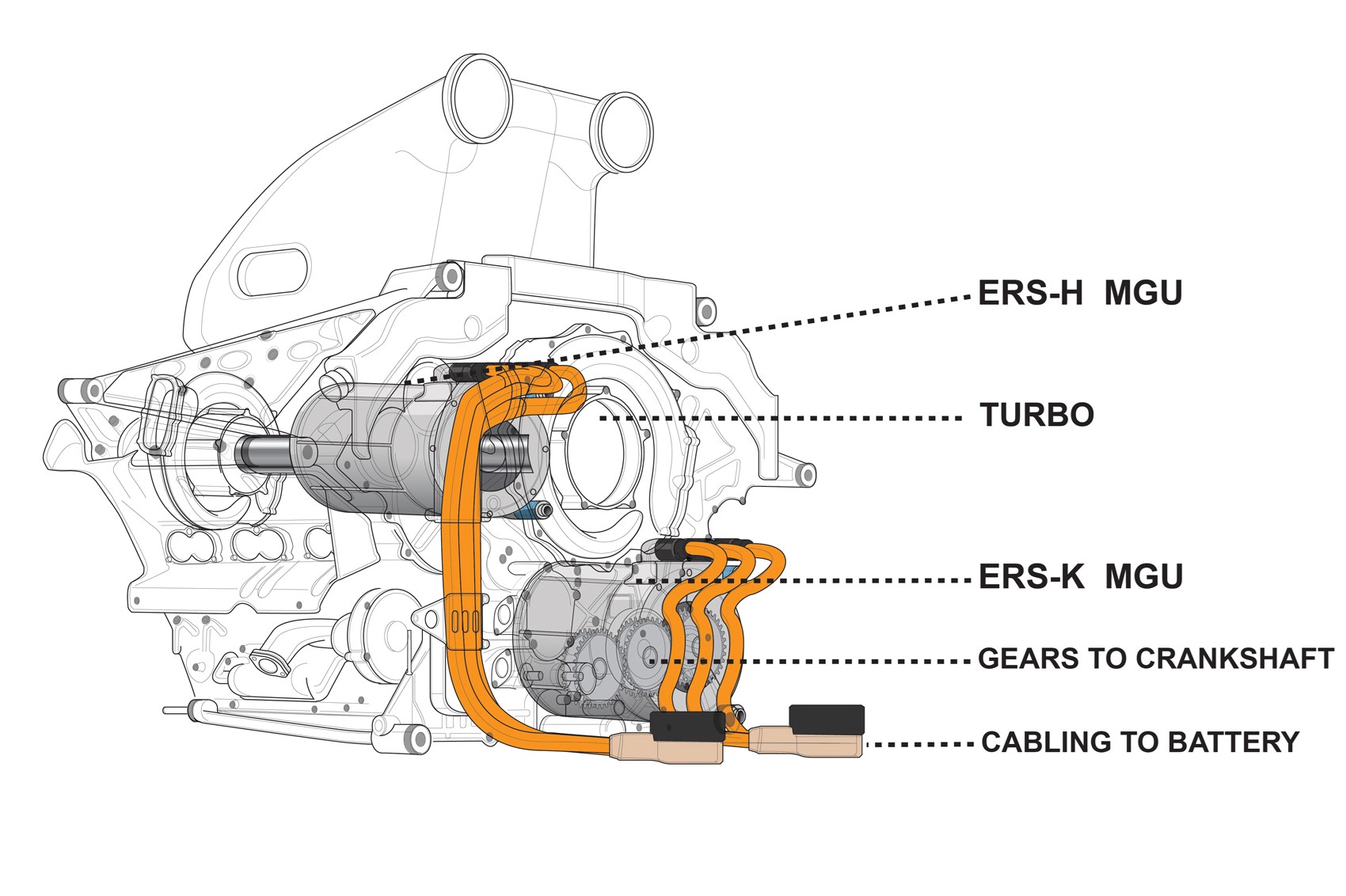
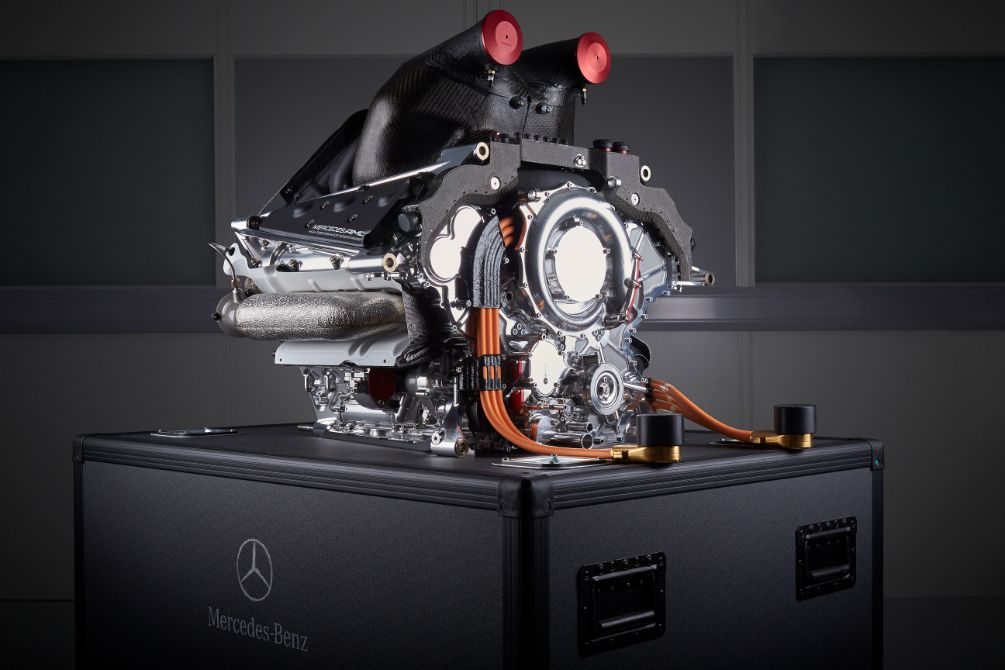
Modern F1 cars run the world’s most advanced hybrid powertrains — a turbo V6 paired with electric motors that recover braking and exhaust energy.

This led directly to hypercars like:

  • Mercedes-AMG One (actual F1 engine tech!)

  • Ferrari SF90 Stradale

  • McLaren P1

F1 hybrids = efficiency + insane performance in road cars.


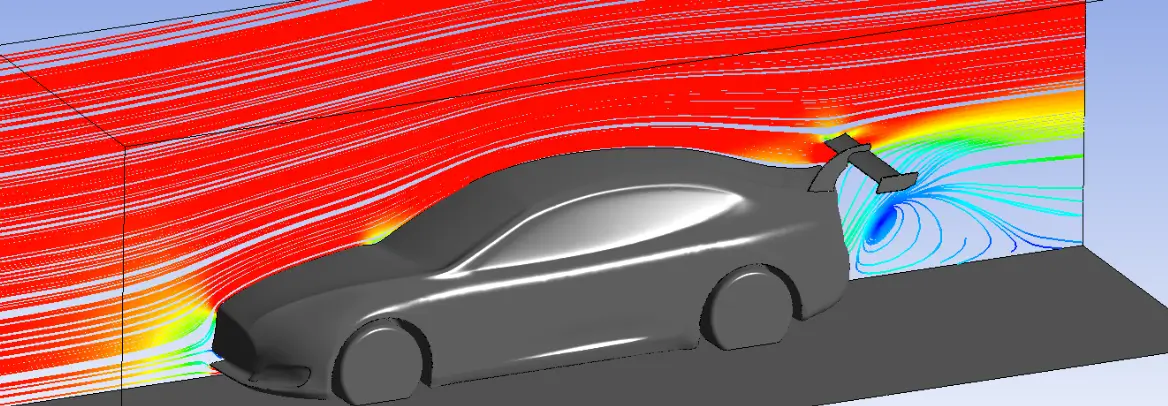
2. Aerodynamics: Sculpting the Air 🌬️🏎️

https://www.simscale.com/wp-content/uploads/2016/10/Aerodynamics-analysis-of-a-F1-car-with-SimScale.jpg?utm_source=chatgpt.comhttps://encyclopedia.pub/media/item_content/202112/61a8682672637energies-14-07887-g012-550.jpg?utm_source=chatgpt.comhttps://www.researchgate.net/publication/228616843/figure/fig11/AS%3A301998806192130%401449013534132/Effect-of-underbody-diffuser-angle-on-diffuser-centerline-pressure-distribution-From.png?utm_source=chatgpt.com

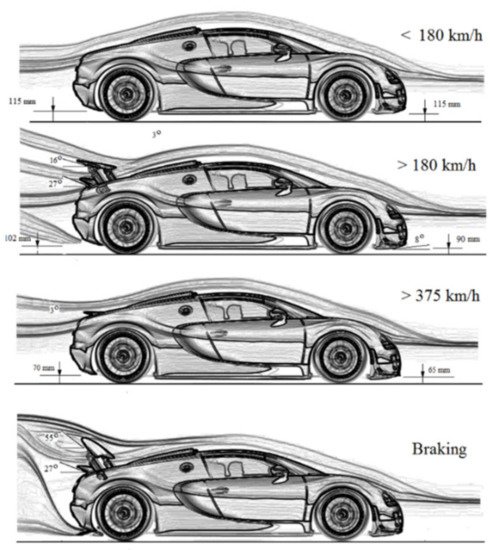
Wind tunnel mastery from F1 has shaped modern street-car design.

Borrowed aero tech:

  • Diffusers

  • Vortex generators

  • Active aero flaps

  • Air curtains

Result: better stability, efficiency, and faster cars that cut through air effortlessly.


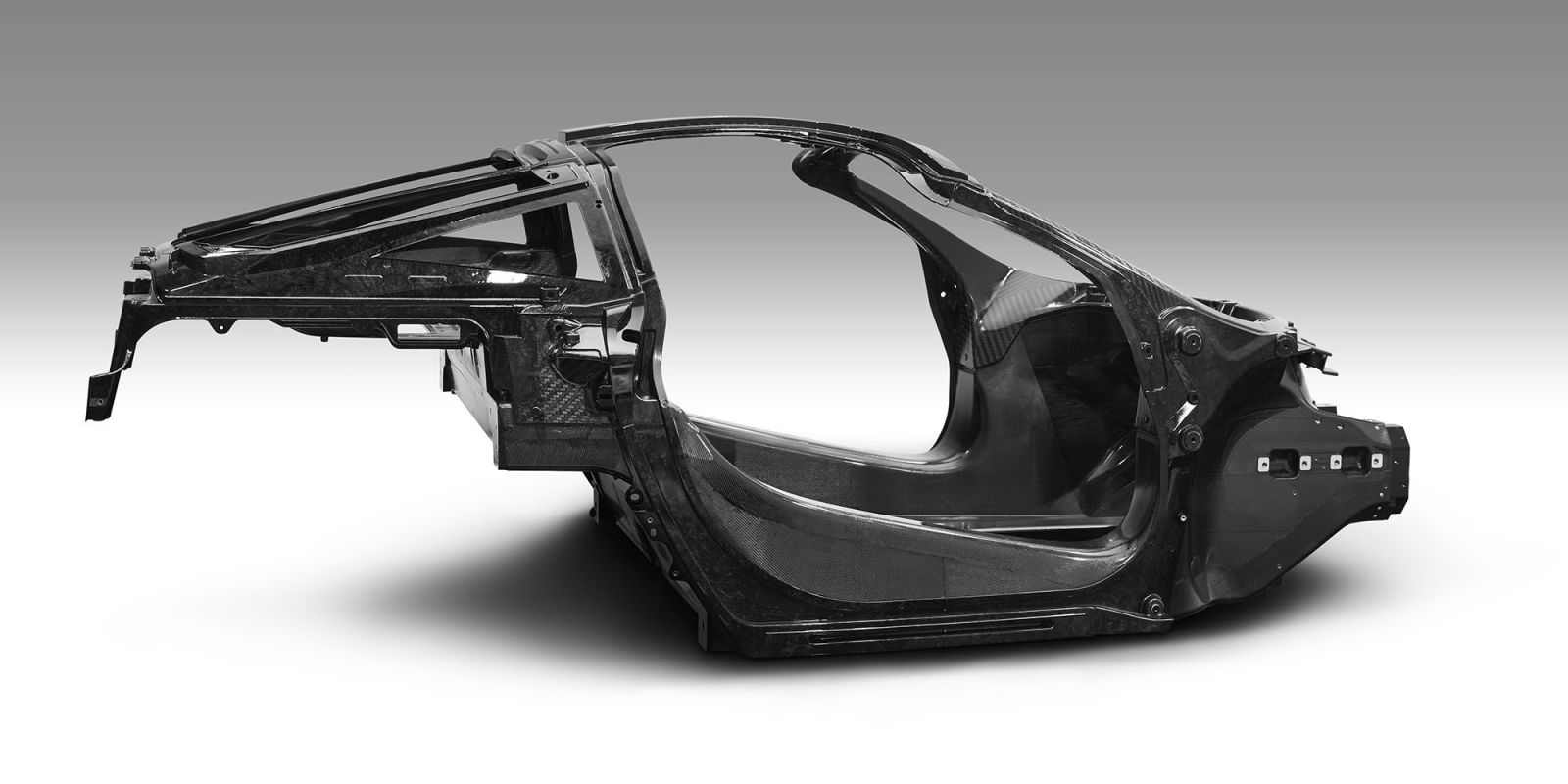
3. Carbon Fibre Construction: The Lightweight Revolution 🏁🧱

https://cdn-1.motorsport.com/images/amp/2erZBKlY/s6/f1-giorgio-piola-technical-ana.jpg?utm_source=chatgpt.comhttps://imgd.aeplcdn.com/1200x900/n/cw/ec/144367/right-front-three-quarter2.jpeg?isig=0&wm=0&utm_source=chatgpt.comhttps://roa.h-cdn.co/assets/17/06/1600x800/gallery-1486723852-azistenbasszonmeg.jpg?utm_source=chatgpt.com

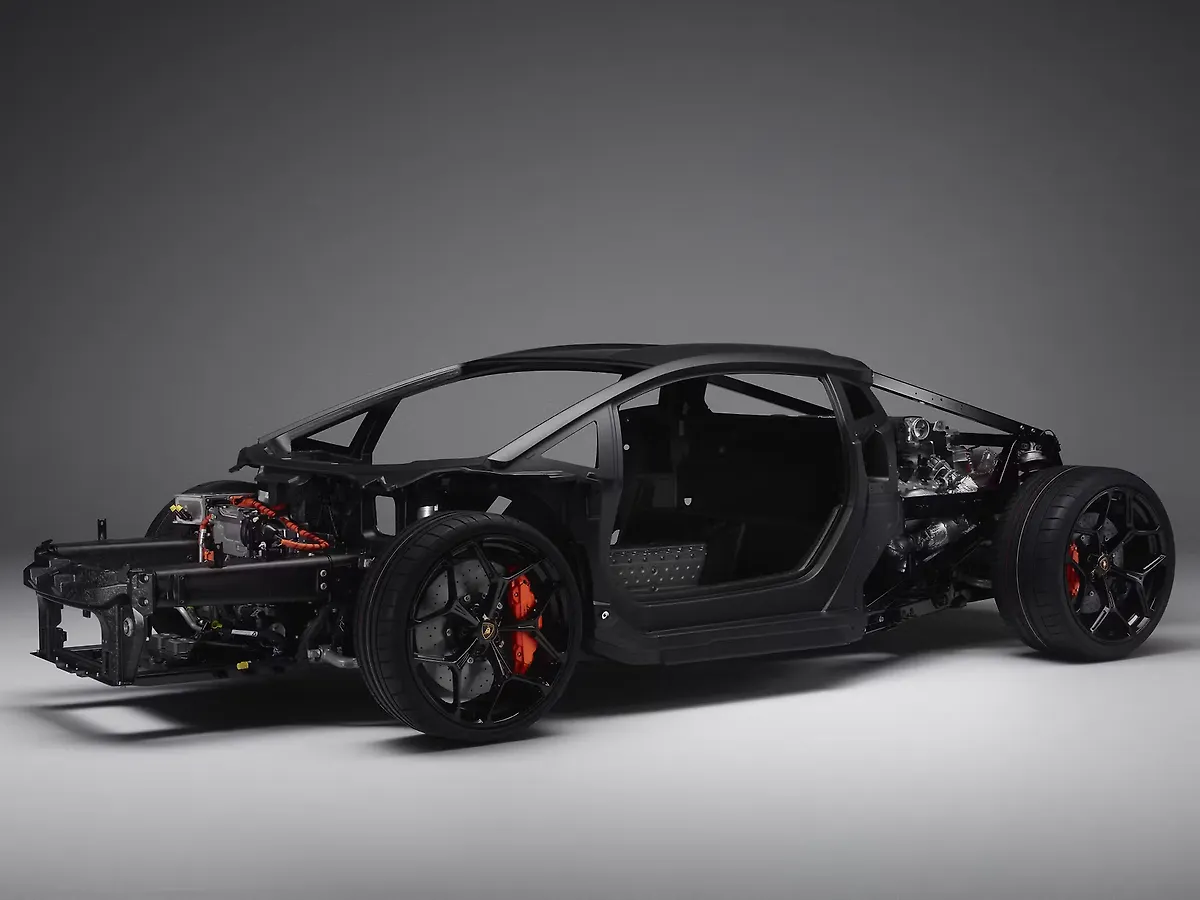
F1 introduced carbon-fibre monocoques in the 1980s — now used across:

  • McLaren, Ferrari, Lamborghini

  • Performance bikes

  • Premium EVs (BMW i3 / i8)

Benefits:
✔ Stronger
✔ Lighter
✔ Safer
✔ Faster

Carbon fibre went from “exotic” to “expected,” thanks to F1.


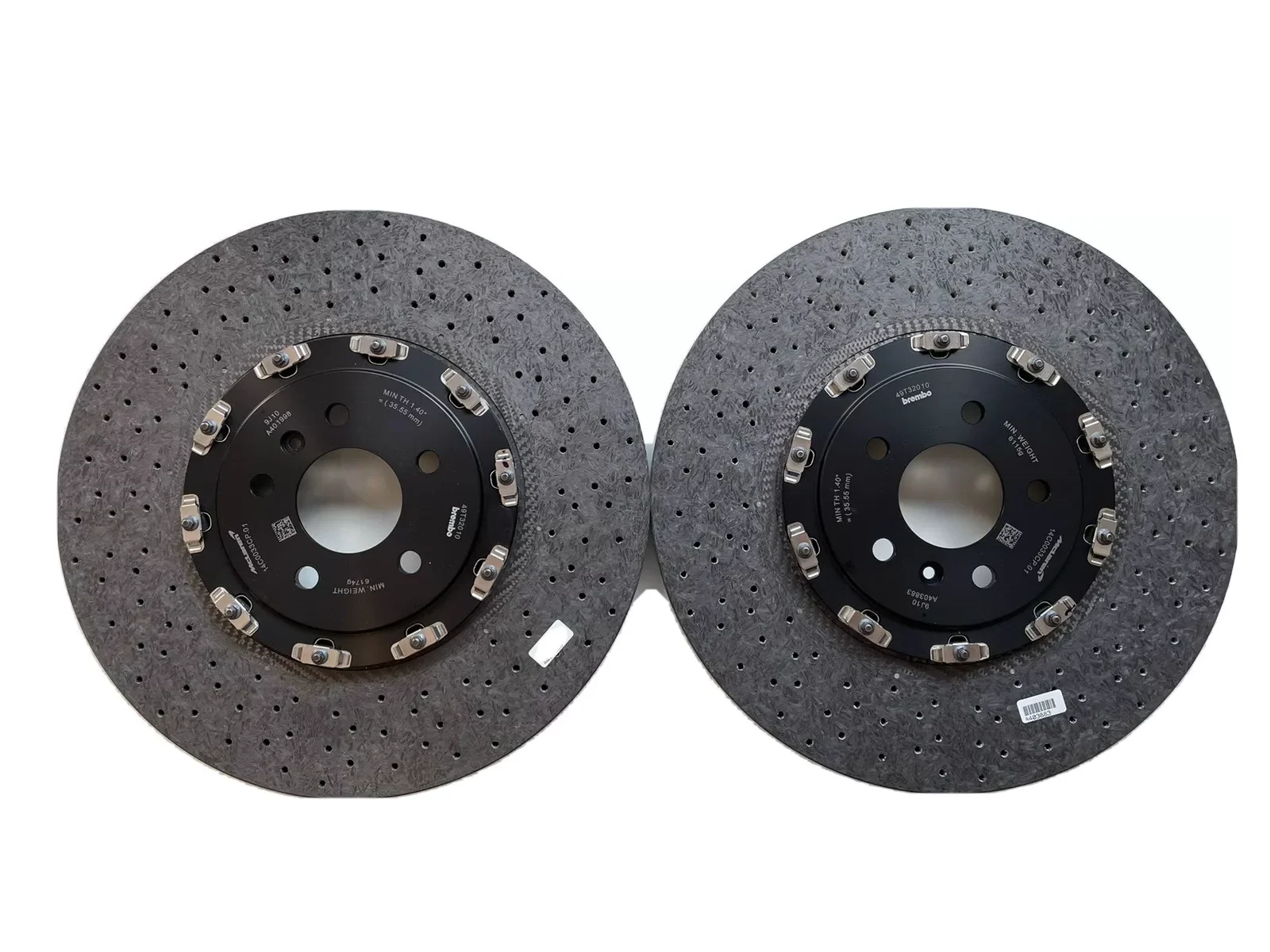
4. Braking Systems: From 330 km/h to Zero πŸ›‘πŸ”₯https://motorsport.tech/wp-content/uploads/2019/06/MT_Brake-Fundamentals.png?utm_source=chatgpt.comhttps://carexamer.com/blog/wp-content/uploads/2024/07/Detailed-Guide-What-Are-Carbon-Ceramic-Brakes-e1721433974415.webp?utm_source=chatgpt.comhttps://www.buybrakes.com/images/product/brembo-ccmr-big-brake-kits-1.jpg?utm_source=chatgpt.com

F1 brakes withstand brutal temperatures and g-forces.

This spawned:

  • Carbon-ceramic discs in road supercars

  • Brake-by-wire tech

  • Improved ABS and cooling systems

Even everyday braking systems are heavily influenced by race tech.


5. Safety Innovations: Protecting Drivers On & Off the Track πŸ›‘️❤️

https://www.formula1-dictionary.net/Images/monocoque_first_carbon_mclaren_mp4_1.jpg?utm_source=chatgpt.comhttps://media.licdn.com/dms/image/v2/D5612AQGr1NVsFbLx2A/article-cover_image-shrink_720_1280/article-cover_image-shrink_720_1280/0/1702461729306?e=2147483647&t=d7Ys12vHV-sdS1istg7wsf0NWlRz9ZdRs1t5U3VnKvA&v=beta&utm_source=chatgpt.comhttps://sportsbase.io/images/gpfans/copy_1200x800/7511db1f41404965100680f23055117cb648d5a4.jpg?utm_source=chatgpt.com

Every crash in F1 creates data that improves road safety.

Trickle-down safety tech:

  • Crumple zones

  • Stronger passenger cells

  • Side-impact beams

  • HANS device research

  • Advanced seatbelt designs

Your car is safer today because F1 pushed boundaries yesterday.


6. Tires & Grip: What F1 Learned, Your Car Applies πŸ›žπŸ’₯https://content.presspage.com/uploads/2176/1920_testgamma-914194-789199.jpg?10000=&utm_source=chatgpt.comhttps://www.bridgestone.co.th/content/dam/bridgestone/consumer/bst/apac/th/products/performance-tire-re004-en.jpg?utm_source=chatgpt.comhttps://www.yourdatadriven.com/wp-content/uploads/2019/09/Tyre-Temp-Temp-V-Grip-and-Deg-1024x653.png?utm_source=chatgpt.com

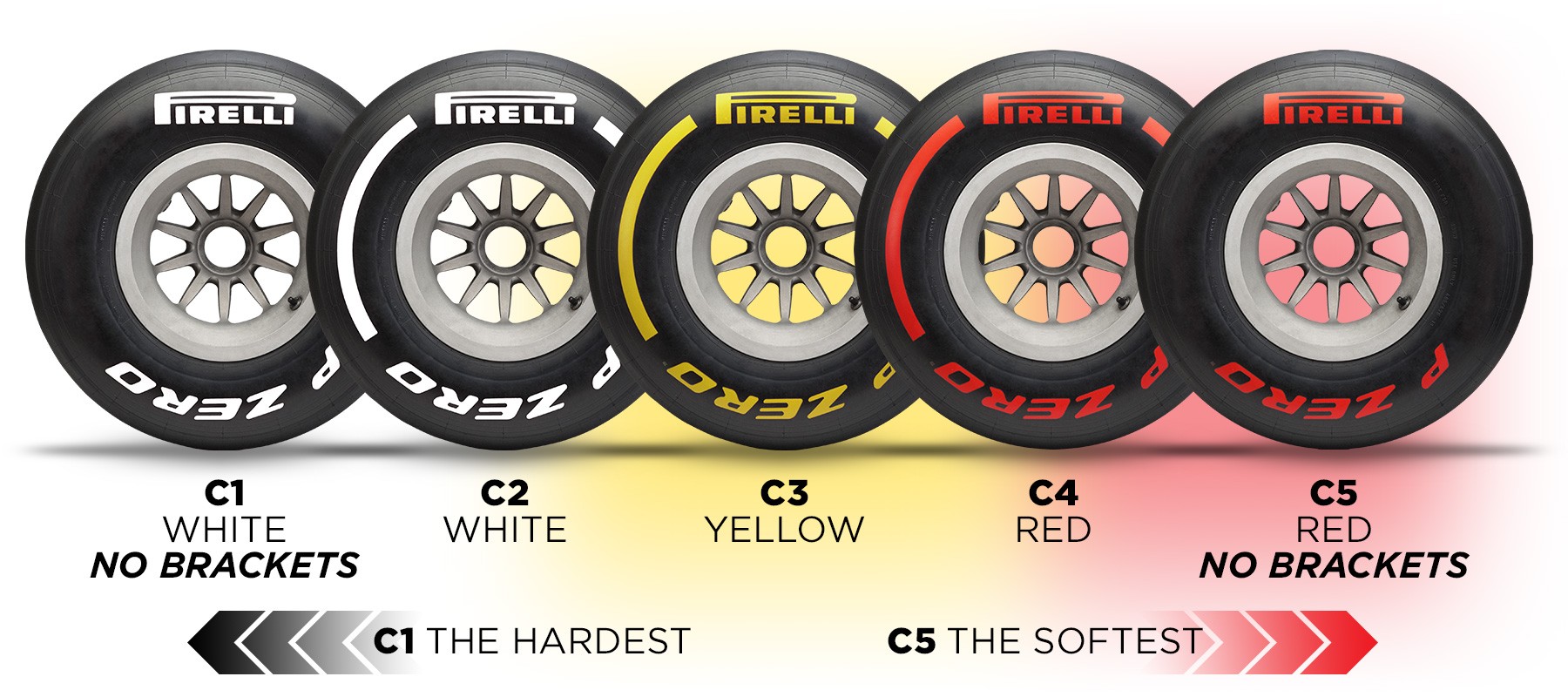
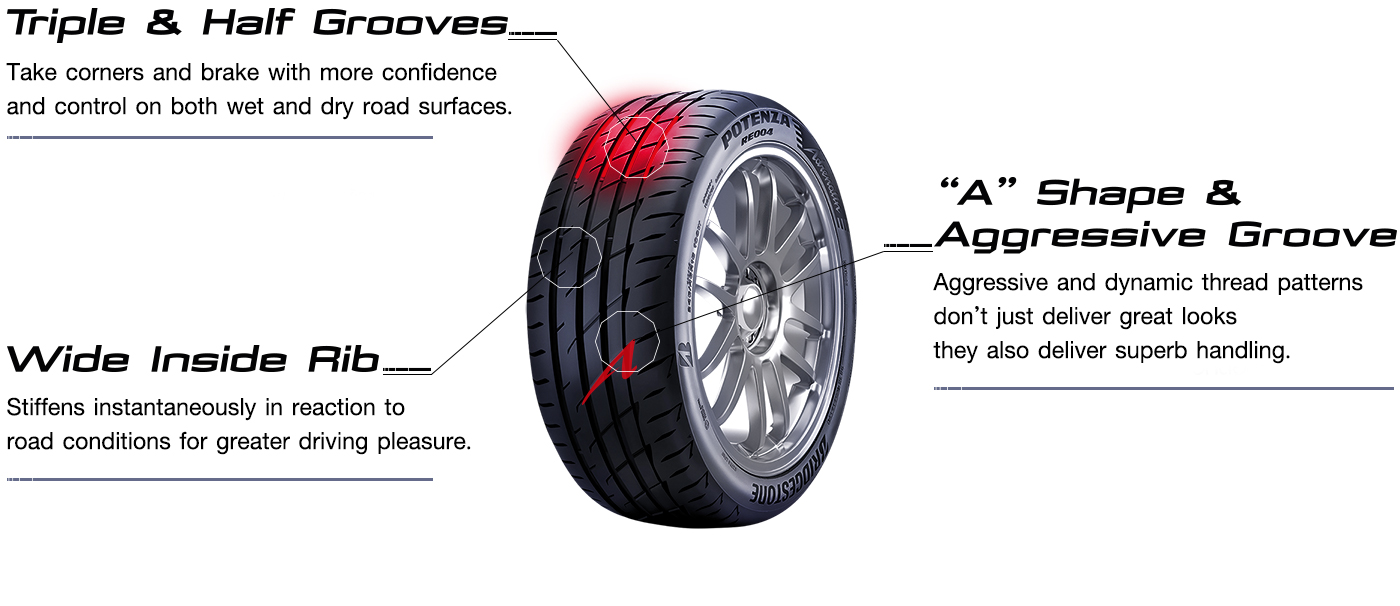
F1 teams and Pirelli constantly develop rubber compounds and structures.

This leads to:

  • High-grip road tires

  • Better heat resistance

  • Long-life performance compounds

  • Technology for daily-use eco tires

Your car’s grip owes a lot to F1 tire science.


7. Electronics & Driving Modes: Race-Inspired Intelligence πŸ“Ÿ⚙️

https://hips.hearstapps.com/hmg-prod/images/f1-wheel-steering-wheel-1552593550.png?crop=1xw%3A1xh%3Bcenter%2Ctop&resize=980%3A%2A&utm_source=chatgpt.comhttps://2021.help.altair.com/2021.2/hwdesktop/mv/images/post_processing/traction_control_schematic.png?utm_source=chatgpt.comhttps://autoimage.capitalone.com/cms/Auto/assets/images/1576-hero-drive-mode.jpg?utm_source=chatgpt.com

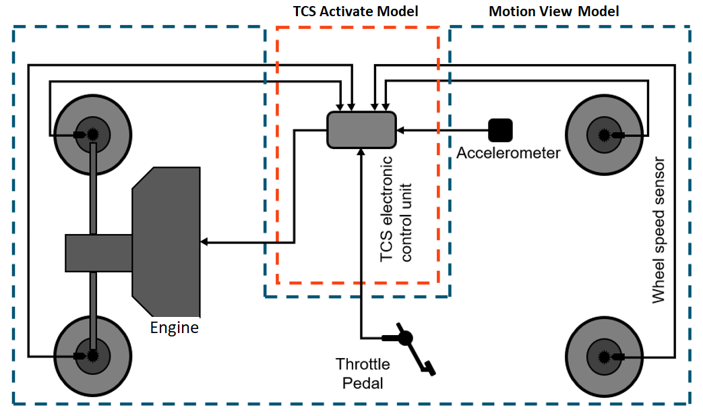
F1 pioneered electronic control systems — now standard in road cars.

Direct trickle-downs:

  • Traction Control

  • Stability Control

  • Launch Control

  • Drive Modes (Sport / Track / Eco)

  • Adaptive suspension

Your dashboard is basically a simplified F1 control panel.


8. Turbocharging & Downsized Engines: Smaller, Faster, Smarter ⛽⚙️

https://cdn-7.motorsport.com/images/amp/6AEweEq6/s1000/mercedes-f1-power-units-2014-2.jpg?utm_source=chatgpt.comhttps://www.researchgate.net/publication/266089577/figure/fig3/AS%3A371044947906565%401465475417793/Cutaway-View-of-a-Typical-Turbocharger-Showing-the-Compressor-and-Turbine-Flow-4.png?utm_source=chatgpt.comhttps://s19536.pcdn.co/wp-content/uploads/2022/12/turbos-so-feature-1024x512.jpg?utm_source=chatgpt.com

With strict fuel limits, F1 perfected turbocharging efficiency.

Now seen everywhere:

  • 3-cyl turbo hatchbacks

  • 2.0 turbo sedans

  • Downsized engines producing more power than old V6/V8s

F1 proved you don’t need more cylinders to make more power.


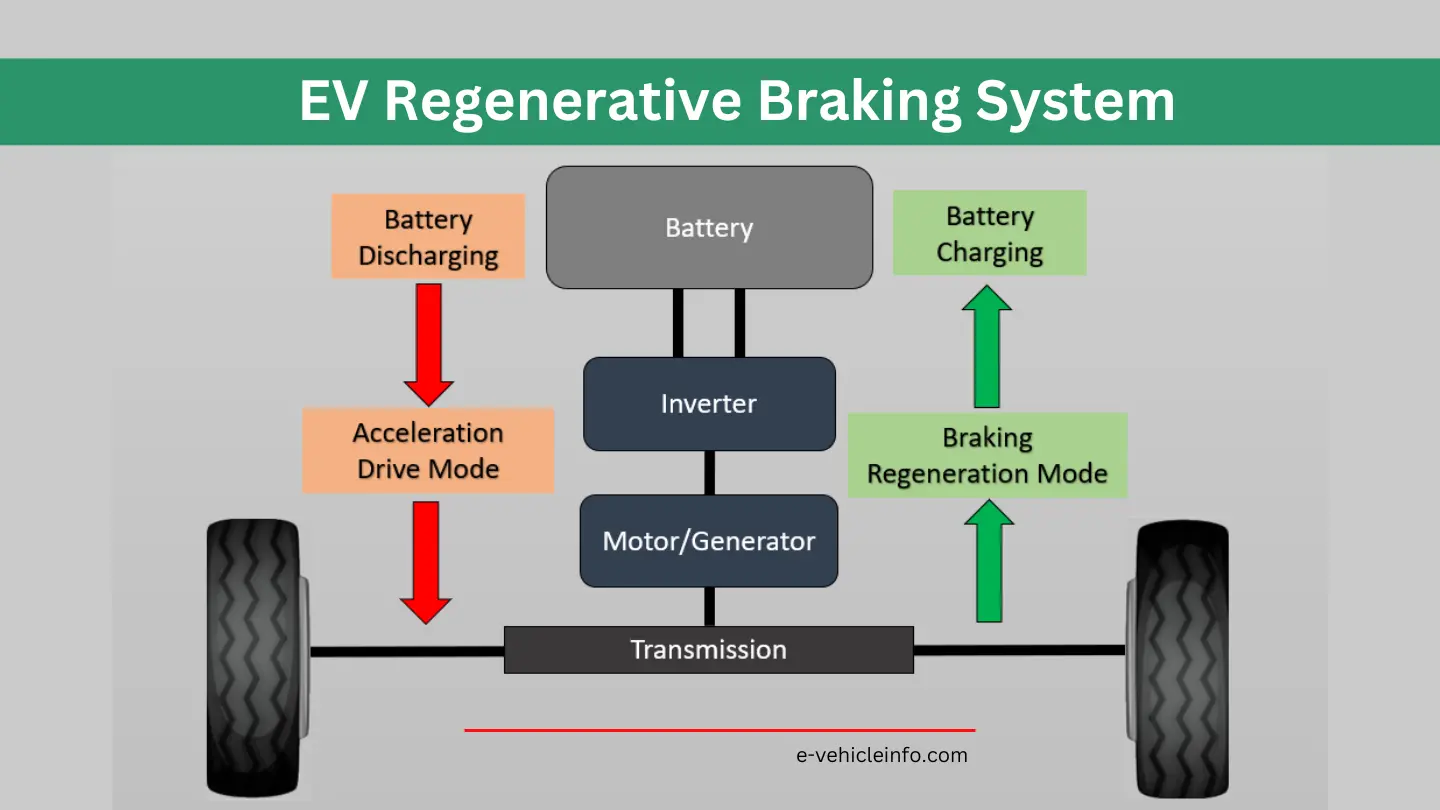
9. Energy Recovery & Regenerative Braking: F1 → EVs πŸ”‹♻️

https://e-vehicleinfo.com/wp-content/uploads/2024/09/EV-Regenerative-Braking-System-1.webp?utm_source=chatgpt.comhttps://upload.wikimedia.org/wikipedia/commons/thumb/8/8e/Flybrid_Systems_Kinetic_Energy_Recovery_System.jpg/1200px-Flybrid_Systems_Kinetic_Energy_Recovery_System.jpg?utm_source=chatgpt.com

F1’s MGU-K and MGU-H systems inspired regenerative braking in EVs and hybrids.

They enable:
✔ Charging while decelerating
✔ Instant electric boost
✔ Higher overall efficiency

Every EV today follows the blueprint of F1’s hybrid era.


10. Manufacturing & Simulation: Precision From the Pit Lane πŸ­πŸ”¬

https://thecalibertech.com/wp-content/uploads/2024/11/aerodynamic-cfd-simulation-for-automotive.webp?utm_source=chatgpt.comhttps://i.ytimg.com/vi/sn2eisHLwwk/maxresdefault.jpg?utm_source=chatgpt.comhttps://www.aurum3d.com/wp-content/uploads/2022/08/3D-Printing-Car-Parts.jpg?utm_source=chatgpt.com

F1’s use of digital simulations and advanced materials pushed automakers to adopt:

  • CFD airflow modeling

  • Finite-element crash simulations

  • 3D-printed components

  • Rapid prototyping

Road cars today are engineered with surgical precision — F1 style.


Conclusion: F1 Is the Automotive World's Innovation Engine πŸ§ πŸ”§✨

From hybrid powertrains to safety tech, from carbon fibre to aerodynamics, Formula 1 is the ultimate R&D playground for car manufacturers.

Every time you enjoy:

  • Smooth acceleration

  • Efficient fuel use

  • Tight handling

  • Strong brakes

…you’re experiencing F1 technology adapted for the street.

F1 shapes not just race cars — but the future of everyday mobility.

Comments

Popular posts from this blog

Top 10 Mods to Boost Horsepower

Cold Air Intake vs Short Ram Intake – Which is Better?

Beginner's Guide to ECU Tuning: What You Need to Know